
Gen Z Can Smell Your AI Content. And They're Not Buying It.
Younger audiences have built-in AI detectors. If your brand relies on generated content, you're losing them.
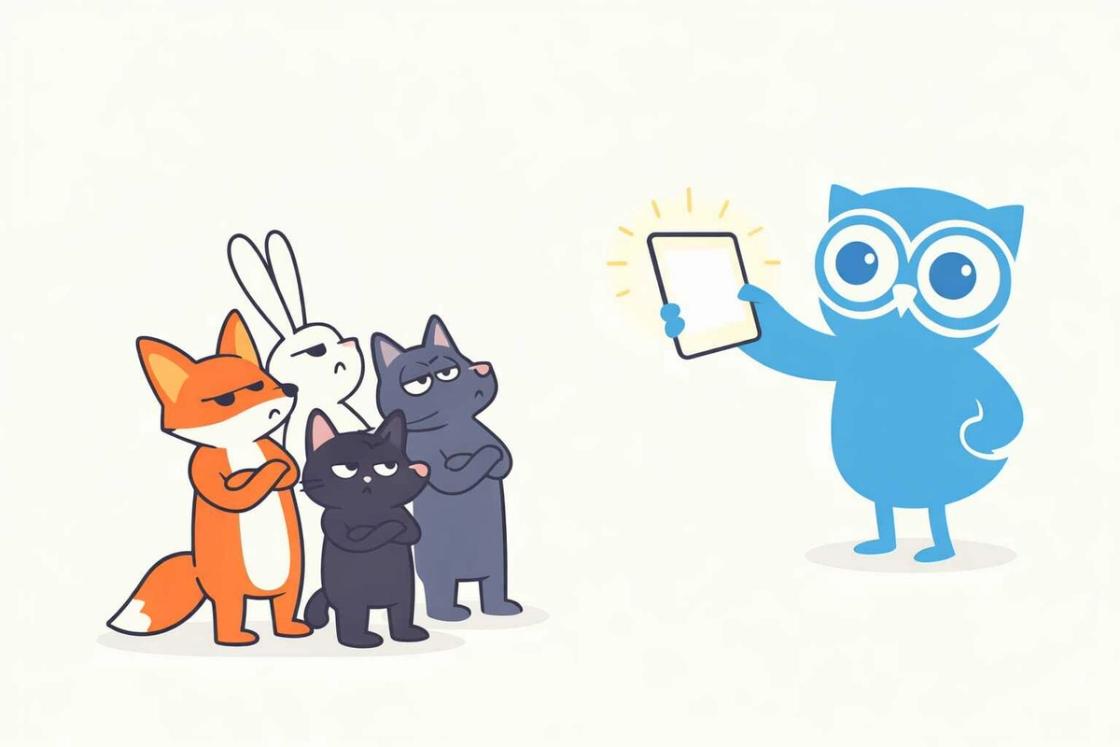
There's a growing body of research, and plenty of anecdotal evidence, that Gen Z consumers actively distrust content they perceive as AI-generated. They grew up online. They've seen the patterns. They know the cadence. When they spot it, they move on.
This isn't a niche concern. Gen Z is the largest generation on the planet. They're entering the workforce, starting businesses, making purchasing decisions. If your brand voice sounds like ChatGPT wrote it, you're not saving time. You're losing customers.
0%
of Gen Z would lose trust in a brand using AI to communicate
0–4x
higher scroll-past rate on obviously AI-generated content
#0
generation for detecting AI content because they grew up with it
Gen Z doesn’t just dislike AI content. They’re actively hostile toward it. On TikTok, "AI-generated" has become an insult brands get tagged with in the comments.
The Numbers Are Stark
A 2025 study from YPulse found that 72% of Gen Z consumers said they’d lose trust in a brand they suspected was using AI to communicate with them. Not “might lose trust.” Would lose trust. That’s not a soft preference. That’s a dealbreaker.
And it’s not just surveys. We’re seeing it in engagement data across client campaigns. Content that reads as obviously AI-generated gets scrolled past at rates 3-4x higher than content with a clear human voice. Comments sections on AI-heavy brand posts are full of “this is clearly ChatGPT” callouts. On TikTok, “AI-generated” has become an insult brands get tagged with in the comments. Gen Z doesn’t just dislike AI content. They’re actively hostile toward it.
This generation grew up with the internet as a native language. They learned to spot sponsored content by age 12. They can identify a paid influencer partnership from the first frame of a video. Detecting AI-generated text is just the latest filter they’ve developed, and they developed it fast.
What Tips Them Off
The rhythm
The hedging
The lack of opinion
The uncanny polish
Why This Matters More Than You Think
Gen Z isn’t just a demographic marketers talk about at conferences. They’re already the primary purchasing demographic for dozens of categories. They influence household spending. They’re the ones recommending products to their Millennial older siblings and Gen X parents. And their media literacy means they set the cultural tone for what’s considered authentic versus fake.
When Gen Z decides a brand is inauthentic, the damage spreads. They share screenshots of AI-generated content with mocking commentary. They create TikToks calling out brands for being lazy. The social proof works in reverse — instead of amplifying your message, they amplify their distrust of it.
And here’s the part that should really concern you: this isn’t going to soften over time. As AI content becomes more prevalent, Gen Z’s filters will get sharper, not duller. They’re training themselves to spot it the way previous generations trained themselves to spot pop-up ads. The brands that are leaning heavily on AI content right now are building a trust deficit that will only compound.
What to Do About It
Stop publishing first drafts from AI tools. That’s it. That’s the core of the strategy.
Use AI to get started. Use it to explore angles, draft outlines, do research. Then have a human with actual opinions and actual knowledge of your brand rewrite it until it sounds like something a person would say.
The bar isn’t perfection. It’s authenticity. Your audience would rather read something slightly rough and clearly human than something polished and obviously generated.
Build an editorial process, not just a content pipeline
Get specific
Let your people write like people
The Content Authenticity Audit
Pull your last 10 pieces of content. For each one, answer honestly:
The opinion test
The experience test
The logo test
The care test
If most of your content fails these questions, you have a Gen Z problem. And increasingly, you have an everyone problem. Because the distrust of AI content isn’t limited to younger audiences. They’re just the first to vocalize it. Everyone else is feeling it too — they just haven’t named it yet.
The Competitive Advantage Nobody Talks About
Right now, most brands are doing the easy thing. Generating content at scale, publishing it, moving on. Which means the brands that invest in genuine human voice are going to stand out more than they have in years.
Counterintuitive, right? The best way to use AI in your content strategy might be to make sure nobody can tell.
The brands that will own the next decade of marketing are the ones that figured out how to use AI as scaffolding while keeping human voice as the finished product. That’s the real skill now. Not prompting better. Not generating faster. But knowing what to keep, what to throw away, and how to make the final product unmistakably, irreplaceably human.
Gen Z will reward you for it. And so will everyone else.